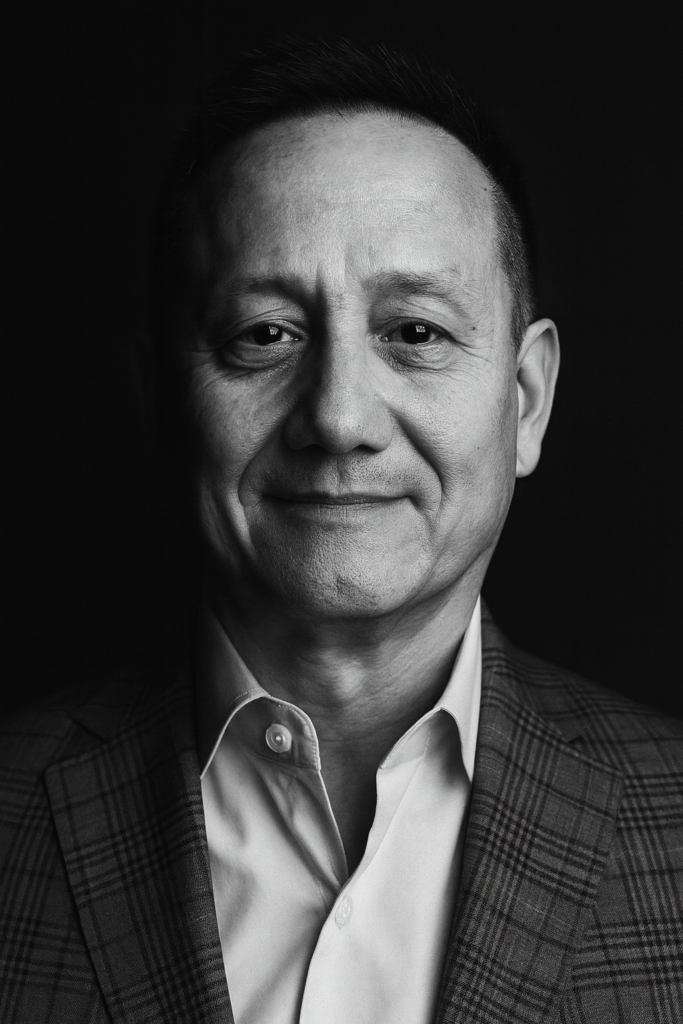
Andrew Ting, MD shares decades of medical experience and a deep understanding of how clinical decisions are made in real-world settings. His current self-employed work is dedicated to helping AI companies and start-ups train and improve AI in the medical space, ensuring that new technologies are accurate, practical, and aligned with the needs of both clinicians and patients. Through this site, he offers clear insights, practical guidance, and meaningful educational resources for anyone interested in the future of medical AI and its role in enhancing healthcare.
What Andrew Ting MD Offers
Guidance shaped by years of work supporting diverse health needs.
Improving AI in the medical space requires more than technical expertise—it demands an understanding of how clinicians think, what patients need, and how medical decisions unfold in real time. Dr. Andrew Ting brings a refined, experience-driven approach to helping AI companies and start-ups identify what truly makes medical technology effective. His work emphasizes thoughtful model development, careful evaluation, and clear communication to ensure AI tools align with real clinical workflows.
By drawing on decades of medical experience, he provides practical insights that strengthen the design, training, and application of medical AI systems. Curious about his professional journey and philosophy? The About page offers a complete look at the foundation behind his work.
Read more about Andrew Ting MD
PREVENTIVE CARE & WELL-BEING
Encouraging Healthy Habits for Long-Term Strength
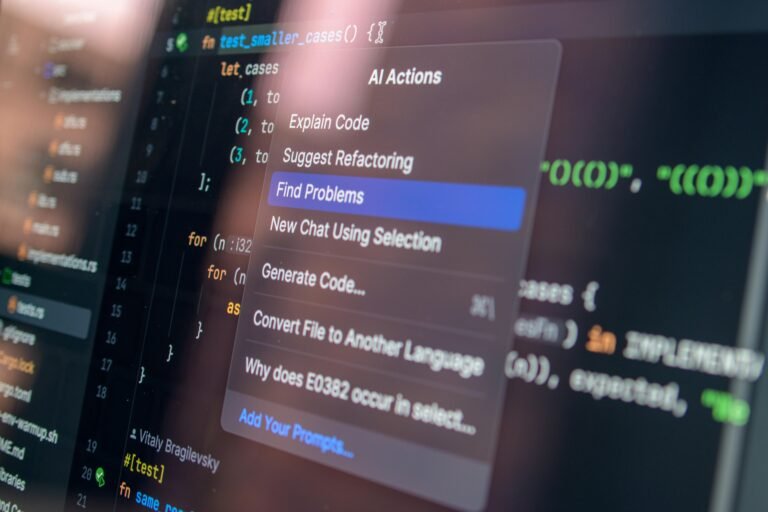
Beyond his clinical background, Andrew Ting, MD is committed to advancing how AI supports everyday medical decision-making. He works with AI companies and start-ups to improve model performance, refine training approaches, and ensure that emerging technologies align with real-world clinical needs. His guidance helps teams recognize which design choices truly enhance medical accuracy and usability—and which may unintentionally limit effectiveness. This work often involves education, collaboration, and the patience to reshape common assumptions about how AI should function in healthcare.
To explore updates, case-inspired insights, and thoughtful discussions on medical AI, visit the Blog, where new content is added regularly.
A Message From Andrew Ting MD
Insight rooted in compassion, curiosity, and decades of clinical practice.
Andrew Ting MD’s dedication to medicine began early, shaped by a deep interest in the body’s natural processes and the science behind recovery. Over the years, his work has strengthened his belief in personalized approaches, meaningful communication, and respectful guidance. Through this site, he hopes to support anyone who will be using AI in the medical space —whether professionally or personally. For more background on his training and journey, the About page offers a detailed introduction.
Read more about Andrew Ting MD